
Common areas
Protection for shared spaces, as the law requires.
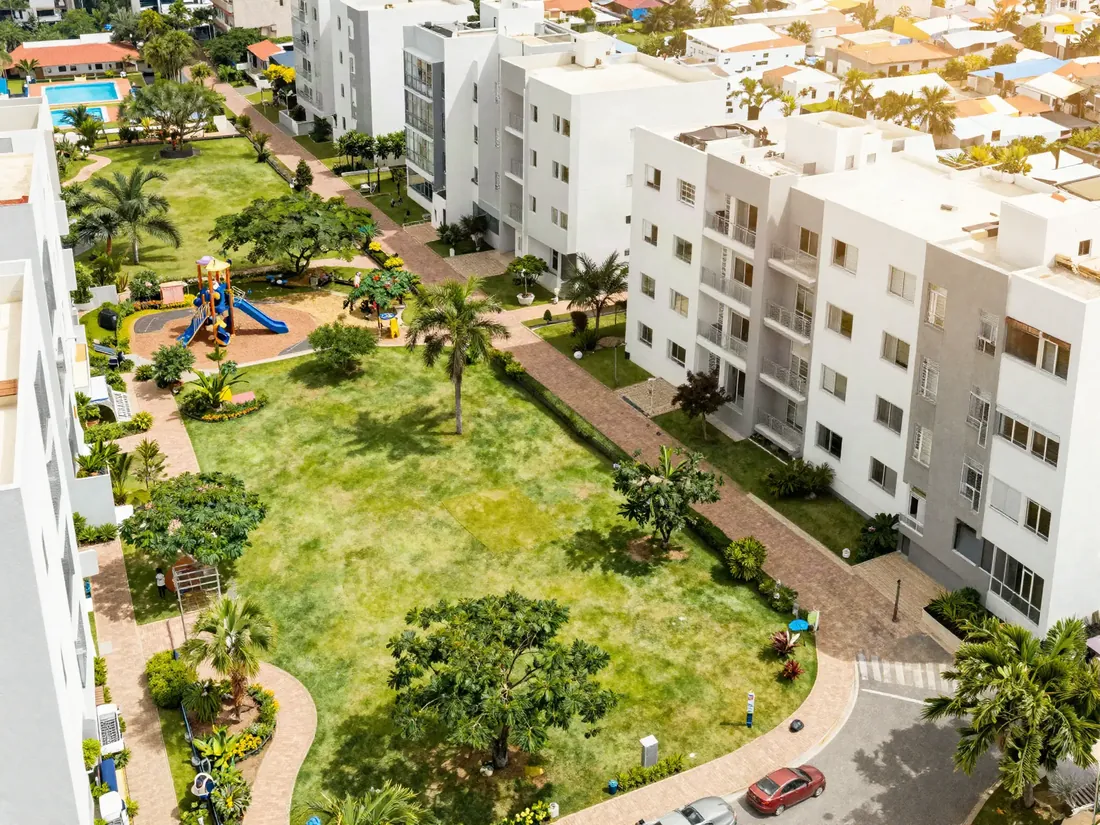
A common area policy protects the spaces shared by the residents of a residential complex, condominium or building. We advise the property management and the board on the right coverage and handle the application with the insurer.
What it covers
Fire
Fire damage to the structure and common property, one of the coverages required by law.
Earthquake and natural events
Earthquake, which is also required by law, as well as windstorm, hail or flood, depending on the policy terms.
Water damage
Leaks and burst pipes that affect the common areas.
Theft and vandalism
Theft of common property and intentional damage caused by others.
Civil liability
Protection for residents, visitors and property management: what the owners' association may have to pay if someone suffers harm or loss in the common areas.
Shared equipment
Elevators, backup generators, water pumps and security cameras, when included in the policy.
For every type of shared property
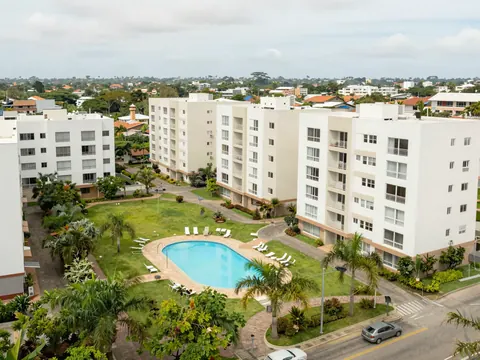 Gated communitiesCommon areas, recreational facilities and shared services.
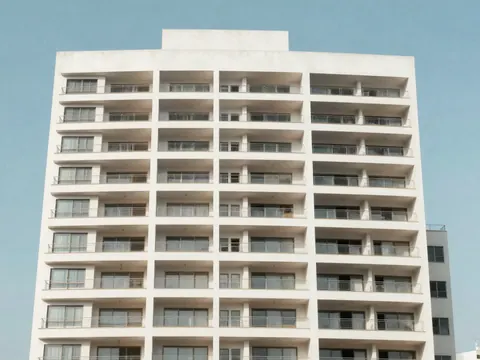 BuildingsThe structure, facades, elevators and common areas of apartment or office buildings.
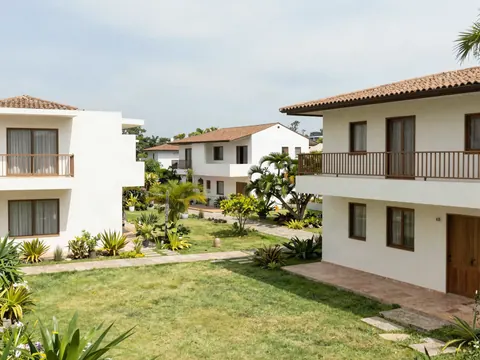 CondominiumsCommon areas, infrastructure and property of urban or country condominiums.
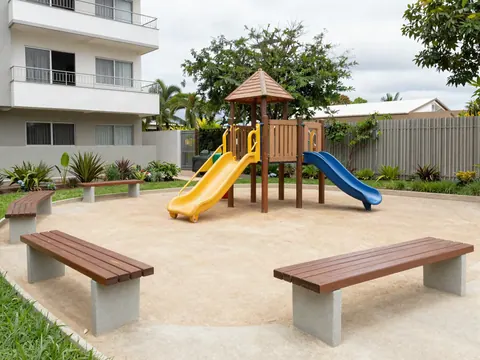 Residential complexesEvery space residents share, from the front gate to the parking areas.
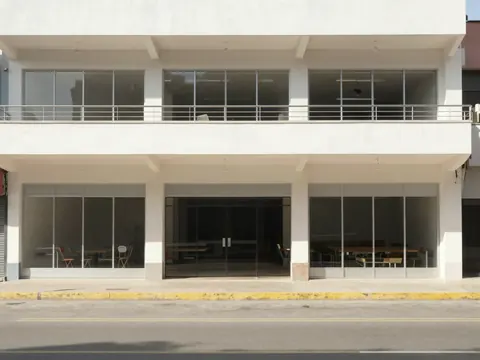 Commercial propertiesShopping centers and buildings with retail units, including their walkways and services.
How we handle it
- We review the property
- We set the insured value
- We handle the policy
Please note. The insured value should match what it would cost to rebuild the common property; if it is lower, the payout in the event of a loss may be reduced. The insurer sets the coverage, deductibles and exclusions, and the decision to purchase rests with the property management, the board or the owners' assembly.
Have on hand
- The association's NIT (tax ID) and its certificate of legal representation, issued by the mayor's office.
- The condominium bylaws (reglamento de propiedad horizontal) or a description of the common areas.
- The number of units and the approximate built area.
- The current policy, if the association already has one.
More information: what it is, how we handle it, and frequently asked questions ↓
In simple terms
What is it and who is it for?
Horizontal property (propiedad horizontal) is the legal framework for buildings and complexes in which each owner holds title to their own unit and shares the common areas with the other owners: the structure, facades, front gate, pool, community room and parking. Together, the owners form what is called a copropiedad, or owners' association. In Colombia, Article 15 of Law 675 of 2001 requires common property to be insured against fire and earthquake; the policy can extend that protection to other risks.
Please note: The insured value should match what it would cost to rebuild the common property; if it is lower, the payout in the event of a loss may be reduced. The insurer sets the coverage, deductibles and exclusions, and the decision to purchase rests with the property management, the board or the owners' assembly.
- Property managers of residential complexes and buildings.
- Boards of directors that need to purchase or renew the policy.
- Country condominiums with green spaces, pools and internal roads.
- Mixed-use buildings with retail units and apartments.
- Owners' assemblies that want to compare their current policy with other options.
How we handle it
Three steps, with guidance throughout.
Before starting any procedure, we explain your options and agree with you on the scope of our work.
We review the property
The number of units, common areas, equipment and the current policy, if there is one.
We set the insured value
Together with the property management, we estimate what it would cost to rebuild the common property, which is the value that should be insured.
We handle the policy
We compare proposals to present to the board or the assembly and process the selected one with the insurer.
Before you contact us
What you should
have on hand.
You do not need to have everything to get started. With this information, the first conversation goes faster.
- The association's NIT (tax ID) and its certificate of legal representation, issued by the mayor's office.
- The condominium bylaws (reglamento de propiedad horizontal) or a description of the common areas.
- The number of units and the approximate built area.
- The current policy, if the association already has one.
In your first message, simply tell us what you need. Before you send any personal documents, your advisor will let you know the appropriate channel.
Before you decide
Frequently asked questions.
Is insuring the common areas mandatory?+
Yes. Article 15 of Law 675 of 2001 requires owners' associations to insure common property against fire and earthquake. All other coverages are optional.
Does the policy cover what is inside each apartment?+
No. It covers common property only. Furniture, household contents and renovations within each unit are not included; each owner can insure them separately.
Who decides which policy to purchase?+
The property management and the board, in accordance with the bylaws and what the assembly approves. We present the options side by side to make that decision easier.
What happens if a visitor is injured at the pool or in the parking area?+
If the association has civil liability coverage, the policy may cover the damages, under the terms agreed with the insurer.
How often should the policy be reviewed?+
It is usually renewed every year. That is a good time to update the insured value and check whether the coverage is still sufficient.
← See all insurance, savings, and loan options
Construempresas · more than 15 years of experience
Tell us what you need
and we will advise you.
Get a quote on WhatsApp →Monday to Friday, 8:00 a.m. to 5:00 p.m. · Saturdays, 9:00 a.m. to 12:00 p.m. (online)